Recent Blog Posts

Parenting a Neurodivergent Child: The Questions No One Asks Out Loud
Parenting a neurodivergent child brings questions no one talks about — guilt, grief, burnout, and whether you're doing enough. This honest guide explores the common fears SEND parents face and where to find real support, from peer groups to counselling, so you know you're not navigating it alone.

Is It Normal To Feel Like This After A Betrayal?
Is it normal to feel like this after a betrayal? Betrayal affects everyone differently, the type of betrayal, how many times it happens and who was involved all shape how we feel after a betrayal. Whatever you’re feeling isn’t wrong or bad, it’s valid and you deserve support to find a way forward that is […]

The Rewind Technique: a gentle route through trauma, without reliving it
Discover the Rewind Technique — a evidence-informed approach that processes traumatic memories without asking you to relive or describe them. Developed by Dr David Muss, it can ease nightmares, anxiety and intrusive memories in as few as three sessions. Learn how it works and whether it could help you.

How to stop having the same relationship conflict and actually move forward
Stuck in the same relationship conflict? Learn how identifying your negotiables and non-negotiables can help you compromise, rebuild trust and move forward together.

Why you keep having the same argument and how to break the cycle
If you and your partner keep fighting about the same things, like who said what, what really happened, you might be missing what the argument is actually about. This post explores why couples get stuck in the details, how to understand your partner's perspective, and includes a simple exercise to try at home.

Why your partner doesn’t feel appreciated (and what to actually do about it)
Feeling unappreciated in your relationship can start small and quietly grow into resentment, distance and hurt. This post explores why "thank you" sometimes isn't enough, what's getting in the way of feeling valued, and includes a simple gratitude script you can try at home, plus guidance on when couples therapy might help.

When you and your partner are too different, is it a dealbreaker?
Feeling criticised or belittled for who you are by the person who's supposed to love you most is painful. This post explores how difference in relationships can become a source of conflict but how, with understanding and acceptance, it can become one of your greatest strengths.

Is Asking for Help a Failure? What Puts People Off Counselling
Not sure if you're bad enough to need counselling? You're not alone. Here are the thoughts that stop most people reaching out — and why your counsellor sees things very differently.

Healing Betrayal in a Relationship – The Three As
Betrayal in a relationship can leave both people drowning in shame — whether you caused the harm or experienced it. This post explores how to move from shame to accountability, and the three core things needed to begin repairing trust after betrayal.

Why Deep Breathing Doesn’t Work for You (And What to Try Instead)
Struggling with grounding techniques like deep breathing? You’re not alone and it’s not because you're doing something wrong. Discover why traditional methods fail for some people and explore science-backed alternatives that actually work for anxiety, stress, or shutdown. Find your path to calm today.

Relationship counselling – How to break out of the cycle of conflict and shutdown
Feeling frustrated when your partner shuts down during conflict? This blog explores why stonewalling happens, how it affects your relationship, and gentle ways to break the cycle. Learn how creating safety, understanding each other’s responses, and thoughtful communication can help you reconnect and build trust.
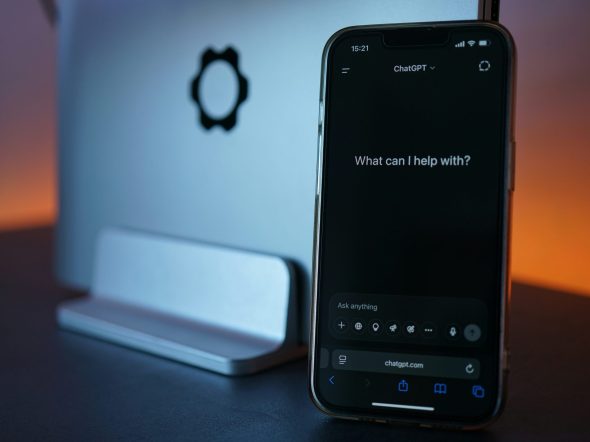
AI and Counselling – How to use AI to support you safely
AI can feel comforting, compassionate, and always available but it isn’t a replacement for human connection or counselling. In this post, we explore the benefits and risks of leaning on AI, how it differs from therapy, and how to use it safely while protecting your mental health.